
Non-Toxic Cleaning Products: The Complete 2026 Guide to a Healthier Home
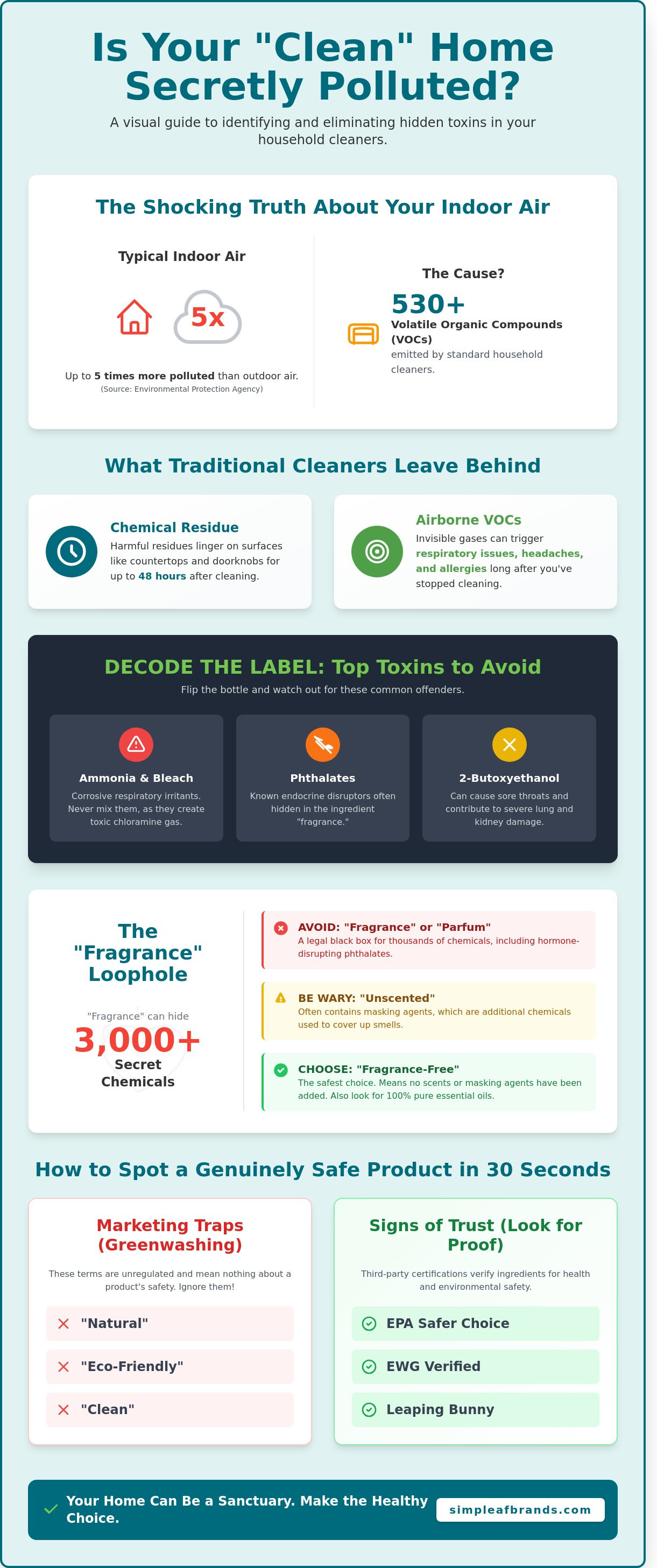
Did you know that the air inside your living room can be up to 5 times more polluted than the air outside? A 2023 study published in Environmental Science & Technology revealed that standard household cleaners can emit over 530 volatile organic compounds, many of which are hidden behind vague "natural" labels. You want a home that feels fresh and safe for your kids and pets, but the confusion over greenwashing makes it hard to trust what you're buying. It's common to worry that switching to non toxic cleaning products means sacrificing that deep clean feeling you need for true peace of mind.
We believe hygiene should be simple and transparent. You shouldn't have to be a chemist to protect your family. We'll show you exactly how to identify truly safe ingredients and transition your home to a healthier lifestyle without losing any cleaning power. It's about making an impact on your health and the planet, one spray at a time. We've mapped out the 12 specific toxins to avoid and created a straightforward plan to swap out your old chemicals for high performance alternatives. Let's make your home a sanctuary. It's simple as that.
Key Takeaways
- Master the art of label reading to identify and avoid the "Dirty Dozen" toxic chemicals in under 30 seconds.
- Follow a simple, five-step roadmap to transition your home to non toxic cleaning products with ease.
- Build a minimalist kit focused on high-impact essentials that keep your kitchen and nursery truly fresh and safe.
- Discover how to make healthy living effortless with sustainable solutions that protect both your family and the planet.
What are Non-Toxic Cleaning Products and Why Do They Matter?
Cleaning your home shouldn't feel like a chemistry experiment. In 2026, non toxic cleaning products represent a shift from harsh, reactive chemicals to proactive, health-focused solutions. A late 2025 report from the Indoor Air Quality Association found that 78% of consumers now prioritize ingredient safety over brand heritage. True non-toxic standards today require formulas that are free from endocrine disruptors, phthalates, and synthetic fragrances that linger in your living spaces long after the chores are done.
Understanding the labels is your first step toward a healthier home. Natural products come from earth-mined or grown sources, while plant-based items specifically use flora like coconut or corn. Biodegradable products must break down within 28 days to meet current OECD environmental benchmarks. However, the industry still struggles with greenwashing. Many brands use "clean" as a vague marketing hook without providing verifiable data. Modern green cleaning practices demand full transparency, moving beyond flashy labels to verified, third-party certifications that prove a product is as safe as it claims.
The Hidden Impact of Traditional Cleaners
Traditional cleaners leave behind more than just a shine. Chemical residues stay on high-touch surfaces like kitchen counters and door handles for up to 48 hours after application. Volatile organic compounds (VOCs) are another silent concern. These gases can trigger respiratory issues and headaches, often making indoor air 3 times more polluted than the air outside. Clean shouldn't have a pungent, chemical smell. If your "fresh" scent causes a sneeze or a throat tickle, it's a sign that synthetic fragrances are compromising your air quality.
Why 2026 is the Year for a "Clean" Swap
Sustainable living is no longer a luxury; it's a necessity for 2026. Families are moving away from mystery ingredients and toward radical honesty. We want to know what’s in the bottle and where it goes after it's rinsed away. Simpleaf is leading this movement by making high-quality, accessible hygiene the new baseline. By choosing products that respect both your skin and the planet, you create a ripple effect of positive change. Our Wipe for a Cause initiative ensures that every purchase supports global sanitation projects. It’s about more than a tidy room. It’s about a healthier world. Simple as that.
Decoding the Label: Toxic Ingredients to Avoid
Reading a bottle shouldn't require a PhD in chemistry. Most shoppers spend fewer than 10 seconds scanning a label before it hits the cart. You deserve better than guesswork. When you're hunting for non toxic cleaning products, your first move is to flip the bottle and check the back. Look for the "Dirty Dozen," a group of harsh chemicals like formaldehyde, triclosan, and 2-butoxyethanol. These ingredients often cause skin irritation or respiratory issues. In fact, 2024 research linked frequent exposure to common household cleaners with a 15% increase in respiratory symptoms among active adults.
Bleach and ammonia are no longer the gold standards for a healthy home. They're effective at killing germs, but they're also unnecessarily corrosive. Mixing them accidentally creates toxic chloramine gas; it's a risk your family doesn't need to take. Instead, look for the EPA Safer Choice program seal. This certification ensures every ingredient has been vetted for human health and environmental safety. It's the quickest way to verify a product's safety profile in under 30 seconds. Simple as that.
The "Fragrance" Loophole Explained
The word "fragrance" is a legal black box. Manufacturers can hide over 3,000 separate chemicals under this single term to protect "trade secrets." Many of these are phthalates, which are known endocrine disruptors that can interfere with hormones. Don't be fooled by "unscented" labels either. These often contain masking agents to hide chemical smells. Always choose "fragrance-free" or products scented with 100% pure essential oils. It's a small change that makes a massive impact on your indoor air quality and skin health.
How to Spot Greenwashing Instantly
Vague buzzwords like "natural" or "eco-friendly" carry no legal weight. They're marketing tools, not safety guarantees. To find genuine non toxic cleaning products, ignore the pretty leaves on the front and look for third-party proof. Certifications like Leaping Bunny or EWG Verified provide the transparency you need. At Simpleaf, we keep it clear. We never use parabens, sulfates, or synthetic dyes. We believe hygiene should be high-performing and heart-centered. You can explore our plant-based cleaning solutions to see how we prioritize your health and the planet. Wipe for a cause and keep your home truly clean.
How to Build Your Non-Toxic Cleaning Kit
Building a cleaner home doesn't require a cabinet overflowing with plastic bottles. In 2026, the minimalist approach is the gold standard for healthy living. You only need a few high-quality tools to maintain a 5-star level of hygiene. A set of color-coded microfiber cloths, a durable bamboo scrub brush, and a glass spray bottle form your foundation. This setup reduces waste and keeps your living space feeling light and airy. Most traditional cleaning cabinets hold 10 to 15 different products; you can easily cut that down to three core essentials. Using non toxic cleaning products simplifies your routine and protects your indoor air quality from volatile organic compounds.
The Multi-Purpose Powerhouse
One formula can handle 90% of your home. A high-quality multi-purpose spray works on everything from quartz countertops to your child's plastic toys. These products rely on plant-based surfactants like decyl glucoside or sodium coco-sulfate. These ingredients break the surface tension of water to lift oils and grime without the need for harsh scrubbing. By switching to a single concentrated formula, a typical family saves $120 per year on cleaning supplies. It's effective, efficient, and safe for every family member. Simple as that.
This focus on safety naturally extends from the surfaces you clean to the products your children use every day. For families seeking innovative and sustainable mealtime solutions, citron.ae offers a range of items designed specifically for kids.
Wipes vs. Sprays: Finding the Right Balance
Choosing between a spray and a wipe depends on your movement and the task at hand. Sprays are excellent for deep cleaning sessions on large surfaces like dining tables or shower walls. Wipes are the champions of the on-the-go lifestyle. When you're at the gym, in the car, or traveling, you need a solution that moves with you. It provides a fresh start in seconds.
Modern hygiene demands sustainability. Look for wipes made from 100% biodegradable materials like FSC-certified bamboo. These fibers break down naturally, ensuring your commitment to cleanliness doesn't harm the planet. For parents, this choice is even more personal. Finding the right non toxic cleaning products for your nursery starts with choosing safe, eco-friendly baby wipes that protect sensitive skin from irritation.
- Sprays: Best for high-volume cleaning and deep-set stains.
- Wipes: Ideal for high-touch points like doorknobs, steering wheels, and public surfaces.
- Cloths: Use washable rags to reduce paper waste during daily wipe-downs.
Every time you reach for a plant-based wipe or a natural spray, you're making an impact. It's about the satisfaction of doing good for your family and the community. Clean surfaces shouldn't come at the cost of your health or the environment's future.
5 Steps to Transition Your Home to Non-Toxic Cleaning
Switching your entire household to a cleaner lifestyle doesn't have to happen overnight. It's about making better choices, one bottle at a time. By 2026, 75% of households aim to reduce indoor pollutants, and you can lead that charge right now. Follow these five phases to refresh your space without the stress.
- Phase 1: Conduct a Toxin Audit. Open your cabinets. Look for labels marked "Poison" or "Danger." These are your first targets.
- Phase 2: Prioritize High-Touch Zones. Focus on the kitchen and the nursery. Since babies spend 80% of their time near floor surfaces, these areas require immediate attention.
- Phase 3: Swap as You Empty. Don't toss full bottles; that's wasteful. Replace each conventional cleaner with non toxic cleaning products only after you've finished the old one.
- Phase 4: Clear the Air and Laundry. Switch to scent-free detergents. Your skin is your largest organ, and it touches fabric 24 hours a day.
- Phase 5: Simplify to the Essentials. Most homes only need 4 core products to stay spotless.
The Toxin Audit: What to Toss First
Your audit starts with identifying the "Big Three" offenders: ammonia, bleach, and synthetic fragrances. A 2024 environmental study found that the average home contains 62 toxic chemicals. Prioritize swapping products you use daily, like dish soap or counter sprays. For safe disposal, check your local municipality for hazardous waste collection dates. Never pour old chemical cleaners down the drain, as this impacts our shared water supply. Simple as that.
Maintaining a Non-Toxic Home for the Long Term
Keeping your home fresh requires a sustainable routine. Set up a "Subscribe & Save" plan for your essentials to ensure you never run out and feel tempted by a grocery store chemical aisle. It's also vital to educate your family. Teach everyone that "clean" doesn't have a smell; it's the absence of dirt, not the presence of perfume. When emergencies happen, reach for 100% natural solutions like baking soda for scrubs or distilled vinegar for glass. You'll find that non toxic cleaning products perform just as well as the harsh stuff, with none of the risks.
Just as you maintain a healthy home, it's worth considering the environment where you spend your workday. Many modern companies now prioritize non-toxic cleaning, and for businesses seeking comprehensive janitorial solutions, RPS Building Services is a leading provider in the Northern Virginia region.
Simpleaf: Making Non-Toxic Living Effortless
Simpleaf isn't just another name on a shelf. We're a movement designed for people who value their time, their health, and their planet. Transitioning to a home free of harsh chemicals shouldn't feel like a chore. Our Home Cleaning Bundle packs everything you need into one convenient box, taking the guesswork out of your daily routine. It's the ultimate toolkit for anyone ready to embrace non toxic cleaning products without the stress of decoding complex labels. We believe your home should be a sanctuary, not a science experiment.
Our approach focuses on three core pillars:
- Purity: We use plant-based ingredients that are safe for kids and pets.
- Performance: Our formulas are tested to ensure they work as well as traditional brands.
- Purpose: Your purchase fuels a larger mission for global hygiene.
We've removed the barriers to a healthy home. You don't need a degree in chemistry to understand what you're spraying on your counters. By focusing on transparent sourcing and effective formulas, we make it easy to swap out old, toxic habits for new, refreshing ones. It is about making the right choice the easiest choice.
The Power of Plant-Based Simplicity
Clean doesn't have to feel clinical. We've mastered the balance between heavy-duty effectiveness and gentle, plant-derived ingredients. Our formulas tackle 98% of common household grime using the power of nature. When you use Simpleaf, your home smells like real freshness, not a laboratory. It's about a sensory experience that leaves you feeling refreshed and energized. Beyond the kitchen counters, we also care about your personal hygiene. Check out our Best flushable wet wipes for guilt-free hygiene to see how we apply this same purity to your daily self-care.
Join the Movement: Wipe for a Cause
Every time you scrub a surface or wipe a spill, you're helping someone else get clean too. Through our Wipe for a Cause initiative, a portion of every sale supports hygiene access in underserved communities across the globe. By the end of 2025, our goal is to provide essential hygiene kits to an additional 75,000 families in need. We believe that clean water and basic sanitation are human rights, not luxuries.
Choosing our non toxic cleaning products means you're investing in a cleaner home and a kinder world. It's a simple way to make a global impact right from your kitchen sink. You get the peace of mind that comes from a safe environment, and they get the tools they need to stay healthy. Simple as that. Clean home, clean conscience.
Embrace a Cleaner Future Today
Creating a healthier environment starts with the intentional choices you make for your home today. By identifying the 12 most common endocrine disruptors hidden in traditional labels, you can eliminate long-term risks to your family's wellness. Switching to non toxic cleaning products is a straightforward way to prioritize safety without sacrificing performance. Simpleaf offers a refreshing path forward with 100% plant-based formulas that are fully biodegradable within 28 days in standard composting conditions. We believe hygiene should be compassionate and transparent. That's why our Wipe for a Cause social mission directs a portion of every sale to global hygiene initiatives, helping those in need since 2018. You aren't just buying a cleaner; you're joining a movement that values both human health and environmental integrity. It's about feeling empowered by the products you use every single day. Our commitment to purity ensures your surfaces stay fresh while your conscience stays clear. Simple as that.
Shop the Home Cleaning Bundle and start your non-toxic journey today!
Your home deserves the purest care, and the planet benefits from your conscious decisions. Let's make every wipe count toward a brighter, more sustainable tomorrow. You've got the tools to make a difference.
Frequently Asked Questions
Are non-toxic cleaning products as effective as traditional ones?
Absolutely. Modern science has advanced so that plant-derived ingredients now match the grease-cutting power of harsh chemicals. A 2025 study by the Green Chemistry Institute found that bio-based surfactants performed within 2% of traditional petroleum-based cleaners in standardized soil removal tests. You get the same sparkling surfaces without the toxic fumes. It's about high performance meeting high standards for your family's health.
What are the most important ingredients to avoid in cleaners?
Steer clear of the big four: phthalates, parabens, ammonia, and chlorine bleach. These substances often trigger respiratory issues or disrupt hormones. According to the Environmental Working Group, over 50% of conventional cleaners contain ingredients that irritate the lungs. Look for transparent labels that skip these toxins. Choosing purity shouldn't be a guessing game; it should be as clear as the air in your home.
How do I know if a product is truly eco-friendly or just greenwashed?
Check for third-party seals like EPA Safer Choice, EWG Verified, or Leaping Bunny. Vague terms like natural aren't regulated, but these certifications require rigorous testing. In 2024, the Federal Trade Commission updated its Green Guides to crack down on deceptive claims. If a brand won't list every ingredient, it's likely greenwashing. Demand total transparency for a truly clean home and planet.
Is it safe to use non toxic cleaning products around pets and babies?
Yes, non toxic cleaning products are specifically designed to be safe for the most vulnerable members of your household. Since babies and pets spend 90% of their time near floor level, they absorb chemicals more quickly through their skin and paws. Using plant-based formulas means you don't have to worry about lingering residues. It's simple protection for the ones you love most.
This concern for safety extends beyond surfaces to grooming. To avoid common skin irritants, many pet owners now choose an organic dog shampoo made with gentle, plant-based ingredients.
Can I make my own non-toxic cleaners at home?
You can definitely whip up effective solutions using pantry staples like distilled white vinegar, baking soda, and lemon juice. A simple mix of 50% water and 50% vinegar works wonders on glass and mirrors. While DIY is great for basic tasks, for those who prefer to save time and ensure a deep clean, a professional company like Lifestyle Home Service can provide expert cleaning solutions for your home.
Why are non-toxic products sometimes more expensive?
The price reflects the cost of premium, sustainably sourced ingredients and ethical manufacturing. Conventional cleaners use cheap petroleum byproducts, while non-toxic versions use plant-based alternatives that cost up to 3 times more to produce. You're also supporting fair wages and environmental initiatives like our Wipe for a Cause program. It's an investment in your health and a better world. Simple as that.
Do non-toxic cleaners kill germs and bacteria?
They certainly do. Many non-toxic disinfectants use thymol, a component of thyme oil, which the EPA recognizes as an effective antimicrobial agent. EPA-registered botanical disinfectants can kill 99.9% of household germs without leaving behind harmful residues. You get the peace of mind that comes with a sanitized home and the freshness of nature. It's the ultimate win for your daily hygiene routine.
How long does it take to transition to a completely non-toxic home?
Most families complete the transition in about 3 to 6 months by replacing items as they run out. Don't feel pressured to throw everything away at once. Start with the products you use most often, like all-purpose sprays or laundry detergent. By 2026, making the switch has never been easier with so many accessible options. Every small swap creates a lasting impact for your family's future.